
If you’re missing a single tooth, you’re not alone. Whether the tooth was lost due to gum disease, trauma, or severe decay, replacing it promptly is important for your oral health, appearance, and confidence. Two of the most common treatment options are a single dental implant and a traditional dental bridge.
At Periodontal Associates of Memphis, serving patients in Memphis and Collierville, TN, our board-certified periodontists, Dr. Mitchel S. Godat, Dr. Grant T. King, and Dr. Olga Byakina, help patients choose the tooth replacement option that best fits their oral health, lifestyle, and long-term goals.
In this guide, we’ll compare single tooth implants and dental bridges, including their advantages, disadvantages, costs, and which option may be right for you.
What Is a Single Tooth Dental Implant?
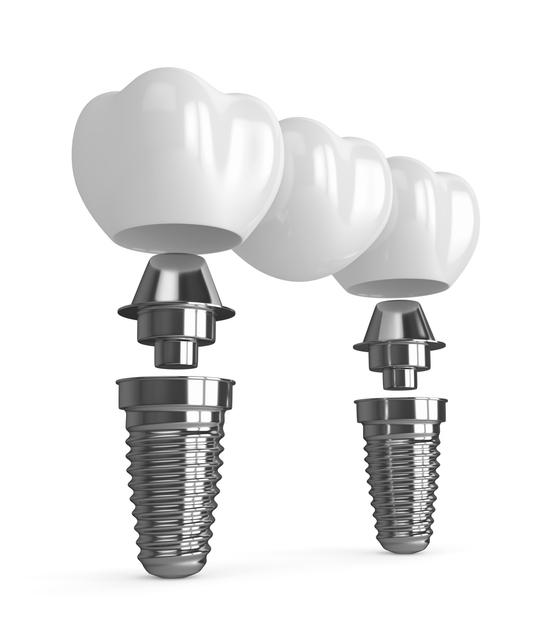
A single tooth implant is a permanent tooth replacement that consists of three parts:
- A titanium implant post that replaces the tooth root
- An abutment that connects the implant to the restoration
- A custom dental crown that looks and functions like a natural tooth
The implant is surgically placed into the jawbone, where it fuses with the bone through a process called osseointegration. Once healing is complete, the final crown is attached.
Unlike other tooth replacement options, dental implants replace both the visible tooth and its root.
What Is a Dental Bridge?
A traditional dental bridge replaces a missing tooth by anchoring an artificial tooth, called a pontic, to dental crowns placed on the neighboring teeth.
The bridge literally “bridges” the gap left by the missing tooth.
While bridges have been used successfully for decades, they rely on adjacent healthy teeth for support rather than replacing the missing tooth root.
Single Tooth Implant vs Bridge: What’s the Difference?
While both dental implants and dental bridges can restore your smile after losing a tooth, they work in very different ways.
A single tooth implant replaces both the missing tooth and its root. The implant is placed directly into the jawbone, where it functions like a natural tooth root and supports a custom dental crown. Because it stands independently, the surrounding teeth remain untouched.
A dental bridge, on the other hand, fills the gap by attaching an artificial tooth to crowns placed on the neighboring teeth. This means the adjacent teeth must be reshaped to support the bridge.
Here are some of the most important differences:
- Dental implants help preserve the jawbone by stimulating it during chewing, while bridges do not replace the tooth root, allowing bone loss to continue over time.
- Implants leave healthy neighboring teeth untouched, while bridges require adjacent teeth to be permanently altered.
- Dental implants can often last for decades or even a lifetime with proper care, while bridges typically last 10 to 15 years before needing replacement.
- Implants are cared for much like natural teeth, whereas bridges often require specialized cleaning tools.
- Implant treatment takes longer because the implant must fuse with the jawbone, while bridges are generally completed within a few weeks.
- Although implants usually cost more upfront, they often provide greater long-term value because of their durability and ability to preserve oral health.
During your consultation at Periodontal Associates of Memphis, our periodontists will evaluate your oral health, bone structure, and treatment goals to help determine which option is the best fit for your smile.
Pros of a Single Tooth Implant
A single tooth implant offers several advantages, making it one of the most durable, natural-looking, and long-lasting options for replacing a missing tooth.
Preserves Jawbone
One of the biggest advantages of dental implants is that they stimulate the jawbone just like a natural tooth root.
Without stimulation, the bone begins to shrink after tooth loss. Over time, this can change your facial appearance and make future treatment more complicated.
Protects Healthy Teeth
Unlike a bridge, an implant stands on its own.
Your neighboring teeth remain untouched because they do not need to be filed down to support the restoration. This helps preserve healthy tooth structure for years to come.
Looks and Feels Natural
Modern implant crowns are carefully designed to match the color, shape, and size of your surrounding teeth.
Most patients quickly forget they’re not natural teeth.
Long-Term Durability
With excellent oral hygiene and routine dental visits, implants can last decades and often a lifetime.
The crown may eventually require replacement due to normal wear, but the implant itself is designed to be a permanent foundation.
Easy to Maintain
Caring for an implant is similar to caring for natural teeth:
- Brush twice daily
- Floss daily
- Visit your dentist regularly
- Maintain healthy gums
There are no special cleaning devices required in most cases.
Cons of a Single Tooth Implant
Although implants offer many benefits, they aren’t the right solution for every patient.
Potential disadvantages include:
- Higher upfront cost
- Minor surgery required
- Longer treatment timeline due to healing
- Adequate jawbone is necessary for placement
- Some patients may require bone grafting before implant placement
Fortunately, modern periodontal procedures can often rebuild lost bone when necessary.
Pros of a Dental Bridge
Dental bridges remain a reliable tooth replacement option for many patients.
Faster Treatment
Many bridges can be completed within just a few weeks.
Lower Initial Cost
Bridges generally cost less upfront than implants.
No Implant Surgery
Patients who prefer to avoid surgery may find bridges to be an attractive alternative.
Cons of a Dental Bridge
Despite their advantages, bridges have several long-term drawbacks.
Healthy Teeth Must Be Modified
The adjacent teeth are permanently reshaped to support the crowns. Even healthy teeth must be reduced, which cannot be reversed.
Bone Loss Continues
Since a bridge does not replace the tooth root, the jawbone beneath the missing tooth continues to shrink over time.
This can eventually affect facial appearance and gum contours.
More Difficult to Clean
Food and bacteria can collect beneath a bridge.
Patients often need:
- Floss threaders
- Water flossers
- Specialized bridge cleaning tools
Proper cleaning is essential to help prevent decay and gum disease around the supporting teeth.
Shorter Lifespan
Most bridges eventually need replacement due to wear, damage, or decay affecting the supporting teeth.
Single Tooth Implant vs Bridge Pricing
One of the biggest factors patients consider is cost.
The cost of a single dental implant typically includes the implant, abutment, custom crown, digital imaging, and follow-up care. The final investment depends on several factors, including your bone quality, whether bone grafting is needed, the materials used for your restoration, and the complexity of your treatment.
A dental bridge generally has a lower upfront cost. Pricing depends on the number of teeth involved, the materials selected, and the condition of the neighboring teeth.
While bridges may cost less initially, they often need replacement over time. Dental implants frequently provide greater long-term value because they are designed to last much longer while helping preserve jawbone health and protecting surrounding teeth.
The best way to determine the cost of your treatment is through a personalized consultation with one of our periodontists.
Which Option Is Right for You?
A dental implant may be the better choice if you:
- Have healthy gums
- Have sufficient jawbone
- Want the most natural-looking replacement
- Prefer a long-term solution
- Want to preserve surrounding teeth
A dental bridge may be recommended if you:
- Are not a candidate for implant surgery
- Need a faster solution
- Have neighboring teeth that already require crowns
- Prefer a lower initial investment
Every patient is unique, which is why a comprehensive examination is essential before making a decision.
Why Choose a Periodontist for Dental Implants?
Periodontists specialize in the structures that support your teeth, including the gums and jawbone.
At Periodontal Associates of Memphis, Dr. Godat, Dr. King, and Dr. Byakina have advanced training in:
- Dental implant placement
- Bone grafting
- Soft tissue grafting
- Gum disease treatment
- Complex implant procedures
Their specialized expertise helps ensure your implant is placed with precision for optimal function, aesthetics, and long-term success.
Schedule Your Dental Implant Consultation in Memphis or Collierville, TN
If you’re deciding between a single tooth implant and a dental bridge, professional guidance can help you make the best decision for your smile and long-term oral health.
At Periodontal Associates of Memphis, we provide personalized treatment plans tailored to your unique needs and goals. Whether you’re in Memphis, Collierville, or a surrounding community, our team is here to help restore your smile with advanced periodontal care and dental implant solutions.
Contact us today to schedule your consultation and learn whether a single tooth implant or dental bridge is the right option for you.