
Dental implants are widely considered the gold standard for replacing missing teeth. They look natural, function like real teeth, and offer unmatched durability compared to other tooth replacement options. But one of the most common questions patients ask is: How long do dental implants really last?
The answer is encouraging. With proper care and expert placement, dental implants can last for decades, and in many cases, a lifetime. At Periodontal Associates of Memphis, serving patients in Memphis and Collierville, TN, Dr. Mitchel S. Godat, Dr. Grant T. King, and Dr. Olga Byakina help patients achieve long-lasting, healthy smiles through advanced implant dentistry. Here’s everything you need to know about implant lifespan, risks, and how to maximize their longevity.
What Is the Average Lifespan of Dental Implants?
Dental implants are designed as a long-term solution for missing teeth. On average:
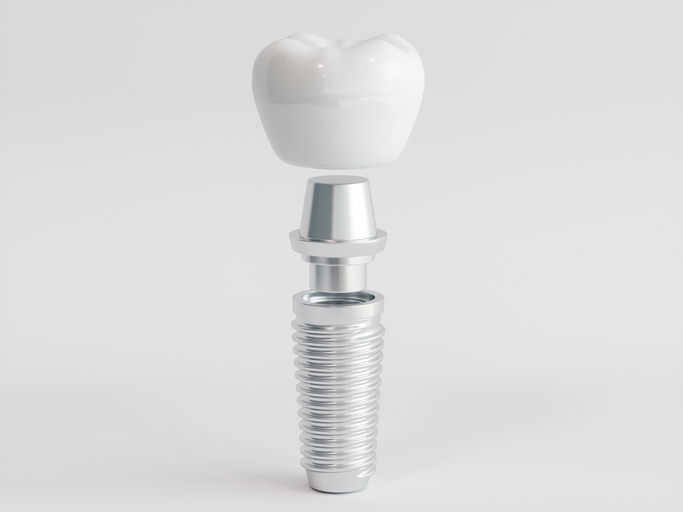
- The implant post (the titanium root placed in the jawbone) can last 20+ years or even a lifetime
- The dental crown (the visible tooth) typically lasts 10 to 15 years, depending on wear and tear
The reason implants last so long lies in a process called osseointegration, where the titanium post fuses directly with your jawbone. This creates a stable, permanent foundation that mimics the root of a natural tooth.
Unlike dentures or bridges, which may need frequent adjustments or replacements, implants provide a fixed and durable solution that supports both function and aesthetics over time.
What Factors Affect the Longevity of Dental Implants?
Although dental implants are highly reliable, their lifespan is influenced by several important factors:
Oral Hygiene Habits
Maintaining excellent oral hygiene is critical. Even though implants cannot get cavities, the surrounding gum tissue is still vulnerable to infection. Brushing twice daily, flossing, and using antibacterial mouthwash can significantly extend the life of your implant.
Periodontal (Gum) Health
Healthy gums are essential for implant success. Patients with a history of gum disease must keep it under control to prevent complications like peri-implantitis, which can lead to bone loss and implant failure.
Bone Quality and Density
A strong jawbone provides the support implants need. If bone density is insufficient, procedures like bone grafting may be recommended before implant placement to ensure long-term stability.
Lifestyle Choices
- Smoking reduces blood flow and slows healing
- Teeth grinding (bruxism) puts excessive pressure on the implant
- Poor nutrition can affect overall oral health
Skill of the Provider
Implant placement is a precise procedure. Choosing experienced periodontists like Dr. Godat, Dr. King, and Dr. Byakina helps ensure proper positioning, which plays a major role in long-term success.
What Are the Risks of Dental Implants?
Dental implants have a success rate of about 95% or higher, making them one of the safest procedures in dentistry. However, like any surgical treatment, there are potential risks to consider.
Infection (Peri-Implantitis)
This condition occurs when bacteria infect the gum and bone around the implant. It is often caused by poor oral hygiene and can lead to implant failure if untreated.
Implant Failure
In some cases, the implant may fail to integrate with the bone. This can happen due to insufficient bone density, smoking, or excessive force during healing.
Nerve or Sinus Complications
Improper placement can affect nearby nerves or sinuses. While rare, this highlights the importance of choosing a skilled periodontist.
Mechanical Wear and Tear
Over time, the crown attached to the implant may chip, crack, or wear down, especially in patients who grind their teeth or chew hard foods frequently.
Signs Your Dental Implant May Be Failing
Dental implants are meant to feel stable and comfortable. If something feels off, it’s important to act quickly. Warning signs include:
- Persistent pain or discomfort
- Red, swollen, or bleeding gums around the implant
- A loose implant or crown
- Difficulty chewing
- Gum recession near the implant site
Early intervention can often save the implant and prevent more serious complications.
How to Make Dental Implants Last Longer
One of the biggest advantages of dental implants is that their longevity is largely within your control. By following a few key habits, you can significantly extend their lifespan.
Practice Consistent Oral Hygiene
Brush at least twice a day with a soft-bristled toothbrush and floss daily. Special floss or interdental brushes can help clean around the implant more effectively.
Visit Your Dentist Regularly
Routine dental checkups and professional cleanings are essential. Your periodontist can monitor the implant and detect any early signs of trouble.
Protect Against Teeth Grinding
If you grind your teeth at night, a custom nightguard can reduce pressure on the implant and prevent damage.
Avoid Tobacco Products
Smoking is one of the leading causes of implant failure. Quitting or reducing tobacco use can dramatically improve outcomes.
Follow Post-Procedure Care Instructions
After implant placement, following your provider’s instructions is critical for proper healing and integration.
How Do Dental Implants Compare to Other Options?
When considering tooth replacement, it’s helpful to compare dental implants to alternatives:
Dentures
- Typically last 5 to 10 years
- Can slip or shift
- May contribute to bone loss over time
Dental Bridges
- Last around 10 to 15 years
- Require support from adjacent teeth
- Do not prevent bone loss in the jaw
Dental Implants
- Can last decades or longer
- Preserve jawbone health
- Function like natural teeth without affecting neighboring teeth
While implants may have a higher upfront cost, their long lifespan often makes them a more cost-effective solution in the long run.
Are Dental Implants Worth the Investment?
For most patients, the answer is yes. Dental implants provide a unique combination of durability, functionality, and aesthetics that other options cannot match. They allow you to eat, speak, and smile with confidence while maintaining the health of your jawbone and surrounding teeth.
When properly cared for, implants are not just a temporary fix. They are a long-term investment in your oral health and quality of life.
Dental Implant Care in Memphis and Collierville, TN
If you are considering dental implants or want to ensure your current implants last as long as possible, expert care makes all the difference. At Periodontal Associates of Memphis, Dr. Mitchel S. Godat, Dr. Grant T. King, and Dr. Olga Byakina specialize in advanced periodontal and implant treatments tailored to each patient’s needs.
Their experience and commitment to precision help patients achieve predictable, long-lasting results in a comfortable and supportive environment.
The Bottom Line on Dental Implant Longevity
So, how long do dental implants really last? The answer depends on a combination of expert placement, patient habits, and ongoing care. While the implant itself can last a lifetime, maintaining healthy gums and good oral hygiene is essential for long-term success.
By understanding the risks and taking proactive steps to care for your implants, you can enjoy a strong, beautiful smile for decades to come.