
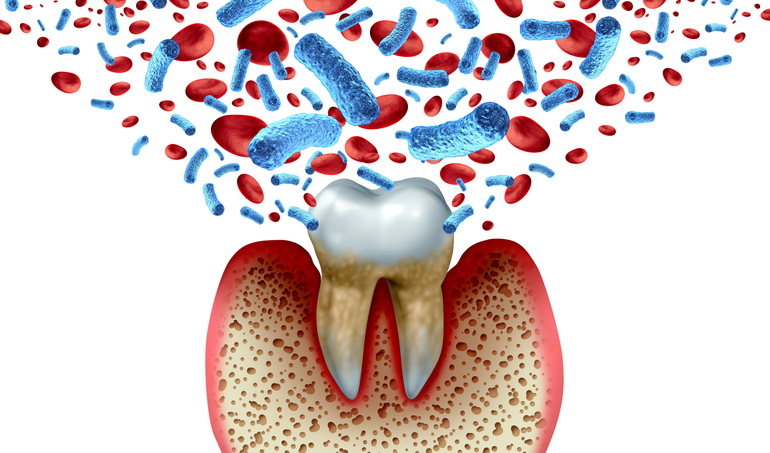
Many adults assume gum disease causes immediate pain or obvious symptoms. In reality, the early signs of gum disease are often subtle and easy to overlook. What starts as minor bleeding, occasional bad breath, or slight gum recession can gradually progress into a serious periodontal condition that threatens your oral health.
At Periodontal Associates of Memphis, our board-certified periodontists, Dr. Mitchel S. Godat, Dr. Grant T. King, and Dr. Olga Byakina, frequently treat patients who do not realize they are experiencing the warning signs of gum disease until significant damage has already occurred.
Recognizing these symptoms early can help you seek treatment before periodontal disease leads to tooth loss, bone loss, and other oral health complications.
Why the Early Signs of Gum Disease Are Easy to Miss
Gum disease begins when plaque and harmful bacteria accumulate around the gumline. The earliest stage, known as gingivitis, causes inflammation of the gums. Without treatment, gingivitis can progress into periodontitis, a more advanced form of gum disease that damages the gums, supporting bone, and connective tissues that hold teeth in place.
One of the biggest challenges with gum disease is that it often develops without significant discomfort. Because symptoms can seem minor at first, many adults delay treatment until the condition becomes more serious.
1. Bleeding Gums While Brushing or Flossing
Many people believe occasional bleeding while brushing or flossing is normal. However, healthy gums should not bleed during routine oral hygiene.
Bleeding gums are often one of the earliest signs of gum inflammation caused by bacterial buildup along the gumline. Even if the bleeding is mild or infrequent, it should not be ignored.
If you regularly notice blood when brushing or flossing, it may be time to schedule a periodontal evaluation.
2. Persistent Bad Breath
Bad breath that continues despite brushing, flossing, and using mouthwash may indicate more than a hygiene issue.
The bacteria associated with gum disease release toxins that can create a persistent odor in the mouth. Chronic bad breath, also known as halitosis, is frequently linked to periodontal infection.
When bad breath does not improve with good oral hygiene habits, professional evaluation is recommended.
3. Red or Swollen Gums
Healthy gums are typically firm and pink. Gums that appear red, tender, or swollen may be responding to bacterial irritation and inflammation.
Because these changes often occur gradually, many people fail to recognize them as symptoms of gum disease.
If your gums appear puffy or consistently irritated, it is important to have them examined by a dental professional.
4. Gum Recession
Have your teeth started to look longer than they used to?
Receding gums are a common sign of periodontal disease. As infection damages the gum tissue, the gums may begin pulling away from the teeth, exposing more of the tooth surface and root structure.
Gum recession not only affects the appearance of your smile but can also increase sensitivity and make teeth more vulnerable to decay.
5. Increased Tooth Sensitivity
Tooth sensitivity is often blamed on cavities or worn enamel, but gum disease may also be the cause.
As gums recede and expose the tooth roots, teeth become more sensitive to hot, cold, sweet, or acidic foods and beverages.
Persistent sensitivity should never be dismissed, especially when it occurs alongside other signs of gum disease.
6. Changes in the Way Your Teeth Fit Together
Periodontal disease can affect the bone and tissues that support your teeth.
As these supporting structures weaken, teeth may begin to shift position. You might notice:
- Changes in your bite
- New spaces between teeth
- Teeth that appear to be moving
- Difficulty chewing comfortably
These changes often indicate more advanced periodontal disease and should be evaluated promptly.
7. Loose Teeth
Adult teeth should feel stable and secure.
When gum disease progresses, it can destroy the bone supporting the teeth. As bone loss occurs, teeth may begin to feel loose or unstable.
Loose teeth are a serious warning sign and often indicate advanced periodontitis that requires immediate attention.
8. Pus Between the Teeth and Gums
Although not always painful, pus around the gums is never normal.
This symptom often indicates an active bacterial infection that requires professional treatment. Delaying care can increase the risk of significant tissue damage, bone loss, and eventual tooth loss.
If you notice pus near your gums, contact a periodontist as soon as possible.
The Health Risks of Untreated Gum Disease
Many people are surprised to learn that gum disease can affect more than just their oral health.
Research has identified links between periodontal disease and several systemic health conditions, including:
- Heart disease
- Stroke
- Diabetes complications
- Respiratory illnesses
- Pregnancy complications
While more research continues to explore these connections, maintaining healthy gums is considered an important part of protecting overall health and wellness.
When to See a Periodontist for Signs of Gum Disease
If you are experiencing any of these silent signs of gum disease, it is important to seek professional evaluation as soon as possible.
Early diagnosis and treatment can often stop gum disease before it causes significant damage to the gums and supporting bone. The sooner treatment begins, the more options may be available to preserve your natural teeth and oral health.
Even symptoms that seem minor, such as occasional bleeding or bad breath, may indicate the beginning stages of periodontal disease.
Gum Disease Treatment in Memphis and Collierville, TN
If you have noticed any of these silent signs of gum disease, do not wait for symptoms to worsen. Early diagnosis and treatment can help protect your gums, preserve supporting bone, and keep your natural teeth healthy for years to come.
At Periodontal Associates of Memphis, Drs. Godat, King, and Byakina provide comprehensive periodontal care for patients throughout Memphis, Collierville, and surrounding Tennessee communities.
Whether you are experiencing bleeding gums, gum recession, chronic bad breath, tooth sensitivity, or other symptoms of periodontal disease, our team can help. Contact us today to schedule a periodontal evaluation and take the first step toward a healthier smile.