
If you have noticed bleeding gums when you brush, persistent bad breath, gum recession, or tenderness along the gumline, you might be dealing with gum disease. Periodontitis is a progressive condition that can quietly damage the gums and the bone that supports your teeth. The good news is that modern periodontal care offers several effective options, including laser gum surgery, which can help treat infection with a minimally invasive approach.
At Periodontal Associates of Memphis, serving patients in Memphis, TN and Collierville, TN, our board-certified periodontists provide advanced periodontal treatments for adults. If you have been researching laser periodontal therapy or wondering whether it is a fit for your situation, this guide will help you understand the basics, benefits, and candidacy considerations.
What Is Laser Gum Surgery?
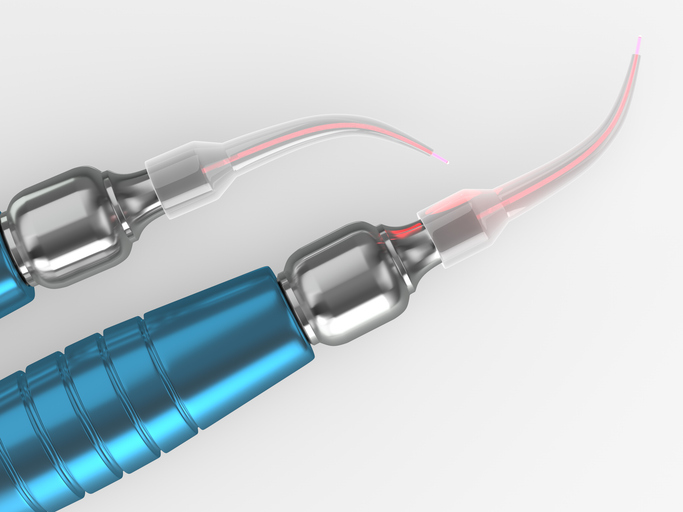
Laser gum surgery is a periodontal procedure that uses a dental laser to remove infected gum tissue and reduce bacteria around the teeth. The laser delivers focused energy that can target diseased tissue with precision. Depending on your needs, laser treatment may be used on its own or as part of a broader periodontal treatment plan.
Laser gum surgery is most often associated with treatment for moderate to advanced gum disease. It may also be recommended for certain gum related concerns where reducing bacteria and inflammation is a key goal. Because it is designed to be less invasive than traditional gum surgery, many adults ask about it when they are exploring options that can support comfort and healing.
Why Gum Disease Treatment Matters
Gum disease is not just about gums. When periodontitis develops, bacteria and inflammation can affect the supporting structures of the teeth, including the periodontal ligament and the jawbone. As the disease progresses, gums can pull away from the teeth, forming deeper pockets that are harder to clean with routine brushing and flossing.
Without proper treatment, periodontitis can contribute to:
- Ongoing bleeding or swollen gums
- Gum recession and tooth sensitivity
- Shifting teeth or bite changes
- Loose teeth
- Bone loss
- Tooth loss
The goal of periodontal treatment, including laser gum surgery when appropriate, is to reduce infection, stabilize gum attachment, and protect your long term oral health.
How Does Laser Gum Surgery Work?
While every case is unique, laser gum surgery generally follows a sequence designed to remove infection and encourage healthier gum tissue. During treatment, your periodontist may:
- Evaluate pocket depths and tissue health
A periodontal exam helps identify where infection is present and how far gum disease has progressed. - Use the laser to target diseased tissue
The laser is guided into the periodontal pocket to remove inflamed or infected tissue while preserving healthy tissue. - Reduce bacterial contamination
Laser energy can help lower bacterial levels in the pocket, supporting a cleaner environment for healing. - Thoroughly clean the root surfaces
Scaling and root planing may be performed to remove plaque, tartar, and bacterial toxins from beneath the gumline. - Support gum reattachment and healing
After the infected tissue is removed and the roots are cleaned, the gum tissue can begin to tighten around the tooth as inflammation improves.
Many laser based protocols are designed to minimize bleeding and reduce the need for incisions and sutures. Your periodontist will explain exactly what technique is being recommended and why it fits your condition.
Benefits of Laser Gum Surgery
People often search for laser gum surgery because they want effective treatment with a more comfortable experience. While outcomes vary, laser periodontal therapy may offer several potential benefits.
Minimally Invasive Approach
Laser gum surgery is often performed without traditional scalpel incisions. This can mean less disruption to the surrounding tissue.
Reduced Bleeding and Swelling
Lasers can help seal small blood vessels during treatment, which may reduce bleeding. Less tissue trauma can also mean less swelling for some patients.
Comfort Focused Treatment
Many adults find laser gum surgery appealing because it may involve less post treatment discomfort than conventional surgical methods.
Faster Recovery for Many Patients
Because the procedure can be gentler on soft tissue, healing may be quicker for some individuals. Your recovery depends on the severity of gum disease, your home care, and your overall health.
Precision and Tissue Preservation
Lasers can target infected tissue more precisely, which can help preserve healthy gum tissue and support improved contour and function.
Reduced Bacteria in the Treatment Area
Another advantage is the laser’s ability to lower bacterial levels in periodontal pockets, supporting a healthier environment during healing.
Laser Gum Surgery vs Traditional Gum Surgery
Both laser gum surgery and traditional periodontal surgery aim to reduce infection and restore a healthier foundation for the teeth. The best choice depends on your clinical findings, including pocket depths, bone loss patterns, and tissue response.
Traditional gum surgery commonly involves lifting the gums to access deeper deposits and infected areas, reshaping tissue when needed, and placing sutures. This approach is highly effective for certain cases, especially when access is required for deep cleaning and visualization.
Laser gum surgery may be used to treat infected tissue and reduce pocket bacteria with a less invasive approach. It can be a strong option for specific cases of periodontitis, especially when your goal is to treat infection while supporting comfort and efficient healing.
In some situations, a combination of therapies may be recommended. Your periodontist will explain the pros and cons for your case, along with the expected results.
Who Is a Candidate for Laser Gum Surgery?
Laser gum surgery is typically recommended for adults with gum disease that has progressed beyond early gingivitis. You may be a candidate if you have:
- Periodontal pockets that do not respond adequately to non surgical treatment
- Persistent bleeding gums or inflammation
- Signs of moderate to advanced periodontitis
- Gum recession associated with chronic infection
- Early to moderate bone loss
- A desire for a minimally invasive treatment option when appropriate
That said, laser gum surgery is not automatically the best choice for everyone. Some cases require traditional periodontal surgery, regenerative procedures, or other specialized treatment approaches.
Certain factors can affect candidacy, including:
- The extent and pattern of bone loss
- Tooth mobility
- Overall oral health and hygiene habits
- Medical history and medications
- Smoking or tobacco use
- Previous periodontal treatment outcomes
At Periodontal Associates of Memphis, Dr. Godat, Dr. King, and Dr. Byakina will evaluate your gum health, measure pocket depths, review X rays when needed, and recommend a plan tailored to you.
What Does Laser Gum Surgery Feel Like?
Most periodontal procedures are performed with local anesthesia to keep you comfortable. Some patients may also be candidates for additional comfort options depending on the procedure and their anxiety level.
During laser gum surgery, you may feel pressure and vibration, but you should not feel sharp pain. After treatment, mild soreness or sensitivity is possible, especially when gum inflammation is significant prior to the procedure. Many patients describe the recovery as manageable, particularly when they follow post treatment instructions closely.
What to Expect After Laser Gum Surgery
Healing timelines vary, but many adults return to normal daily activities quickly. Your periodontist will provide personalized aftercare, which may include:
- Avoiding crunchy, spicy, or very hot foods for a short period
- Eating softer foods while tissues recover
- Using any prescribed antimicrobial rinse or medication as directed
- Brushing gently and avoiding aggressive flossing in treated areas initially
- Keeping follow up appointments to monitor healing and pocket reduction
It is also important to understand that periodontitis is a chronic condition. Treating active disease is a major step, but long term success depends on periodontal maintenance. Professional cleanings and re evaluations help keep bacteria under control and allow your team to address any changes early.
How Long Do Results Last?
Laser gum surgery can be an effective treatment for reducing infection and improving gum attachment. But the durability of results depends heavily on the habits and maintenance that follow. Periodontal bacteria can return if plaque control slips or routine professional care is missed.
To protect your results, your periodontist may recommend:
- A periodontal maintenance schedule tailored to your risk level
- Consistent home hygiene including daily brushing and interdental cleaning
- Managing contributing factors like tobacco use
- Addressing bite issues or clenching if they affect gum stability
- Monitoring for recurrence through pocket measurements
With consistent care, many patients maintain healthier gums and more stable periodontal support long term.
Is Laser Gum Surgery Right for You?
If you are dealing with gum disease symptoms like bleeding gums, gum recession, or deep periodontal pockets, laser gum surgery may be worth exploring. It offers a modern, minimally invasive approach that can reduce infection and support healing, but it is not the only solution and it is not right for every case.
The best next step is a comprehensive periodontal evaluation. At Periodontal Associates of Memphis, with locations in Memphis, TN and Collierville, TN, Dr. Mitchel S. Godat, Dr. Grant T. King, and Dr. Olga Byakina can determine whether laser periodontal therapy is appropriate for your condition and explain all available treatment options.
If you have been postponing care, now is a good time to act. Periodontitis tends to worsen without treatment, but early intervention can help preserve your gums, bone, and natural teeth for years to come.