
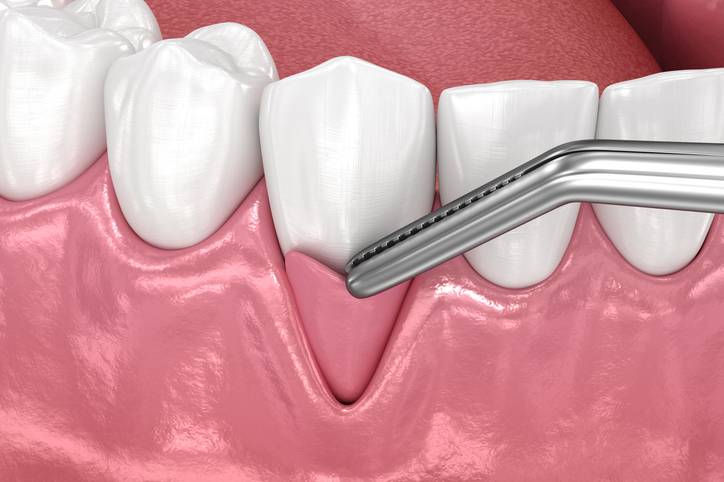
Gum recession is a common periodontal condition that affects many adults and often progresses slowly over time. Because the early stages may not cause pain, it is easy to overlook until more noticeable symptoms appear. When gum tissue recedes, the roots of the teeth become exposed, increasing the risk of sensitivity, decay, infection, and tooth loss. At Periodontal Associates of Memphis, patients in Memphis, TN and Collierville, TN receive advanced gum recession treatment focused on protecting their smiles and preserving long-term oral health.
Understanding gum recession, its causes, and available treatment options can help patients take action before serious damage occurs.
What Is Gum Recession?
Gum recession occurs when the gum tissue surrounding the teeth pulls back or wears away, exposing more of the tooth surface and, in many cases, the tooth root. Healthy gums normally fit snugly around the teeth, acting as a protective barrier against bacteria. When that barrier is reduced, the teeth become more vulnerable to damage.
Recession often develops gradually, which means many patients are unaware they have a problem until it has already progressed. Regular periodontal evaluations are essential for identifying gum recession early and preventing further complications.
Common Signs and Symptoms of Gum Recession
Patients with gum recession may experience one or more of the following symptoms:
- Teeth that appear longer than they used to
- Increased sensitivity to hot, cold, or sweet foods
- Visible tooth roots near the gumline
- Tender, inflamed, or bleeding gums
- Discomfort while brushing or flossing
- Changes in the appearance of the smile
If any of these symptoms are present, a consultation with a periodontist is strongly recommended.
What Causes Gum Recession?
Gum recession does not have a single cause. Instead, it often results from a combination of factors, including:
Periodontal Disease
Periodontal disease is one of the most common causes of gum recession. Bacterial infection leads to inflammation of the gums and destruction of the supporting bone and tissue. As the disease progresses, gum tissue pulls away from the teeth.
Aggressive Brushing Habits
Brushing too hard or using a hard-bristled toothbrush can wear down gum tissue over time. Improper brushing technique is a frequent contributor to recession, even in patients with otherwise good oral hygiene.
Genetics
Some individuals are genetically predisposed to thinner or more delicate gum tissue, making them more susceptible to recession even with proper care.
Teeth Grinding or Clenching
Excessive pressure from grinding or clenching can strain the supporting structures of the teeth, leading to gum and bone loss.
Tobacco Use
Smoking and other forms of tobacco use impair blood flow to the gums and increase the risk of periodontal disease and gum recession.
Bite Problems and Misaligned Teeth
Teeth that are misaligned or subjected to uneven biting forces can cause excess stress on the gums, contributing to recession in specific areas.
Identifying the underlying cause of gum recession is essential for choosing the most effective treatment and preventing recurrence.
Why Gum Recession Treatment Is Important
Ignoring gum recession can lead to serious oral health problems. Without treatment, patients may face:
- Increased risk of cavities on exposed tooth roots
- Progressive bone loss around the teeth
- Chronic tooth sensitivity and discomfort
- Gum infections and abscesses
- Tooth mobility and eventual tooth loss
In addition to health concerns, gum recession can also affect the appearance of the smile, making teeth look uneven or aged. Timely treatment helps protect both function and aesthetics.
Comprehensive Gum Recession Treatment Options
At Periodontal Associates of Memphis, our periodontists provide personalized treatment plans based on the severity of recession, overall oral health, and patient goals.
Non-Surgical Treatment Options
For mild or early-stage gum recession, non-surgical care may be sufficient.
Scaling and Root Planing
Scaling and root planing is a deep cleaning procedure that removes plaque and bacteria from below the gumline. By smoothing the tooth roots, this treatment helps the gums heal and reattach to the teeth. It also reduces inflammation and slows the progression of periodontal disease.
This approach is often combined with improved oral hygiene habits and regular periodontal maintenance visits.
Surgical Treatment Options for Gum Recession
When recession is more advanced, surgical intervention may be recommended to protect exposed roots and restore gum tissue.
Traditional Gum Grafting
Gum grafting involves placing healthy tissue over areas where gum tissue has receded. The graft may come from another area of the mouth or from donor tissue. Over time, the graft integrates with the existing gum tissue, providing increased coverage and protection.
Benefits of gum grafting include reduced sensitivity, prevention of further recession, and improved appearance of the gumline.
Pinhole Surgical Technique
The Pinhole Surgical Technique is a modern, minimally invasive approach to treating gum recession. Instead of traditional incisions and sutures, a small pinhole-sized opening is made in the gum tissue. Through this opening, specialized instruments are used to gently loosen and reposition the gums over the exposed tooth roots.
This technique offers several advantages:
- No scalpels or stitches
- Minimal trauma to the gum tissue
- Faster healing and recovery
- Reduced post-treatment discomfort
- Immediate cosmetic improvement
Many patients prefer the Pinhole Surgical Technique due to its comfort and efficiency. Not all cases are suitable for this method, but a periodontal evaluation can determine whether a patient is a good candidate.
Periodontal Maintenance and Long-Term Care
Following gum recession treatment, ongoing periodontal maintenance is critical. These specialized cleanings focus on keeping harmful bacteria under control and monitoring gum health. Regular visits help prevent future recession and support long-term treatment success.
How Patients Can Help Prevent Further Gum Recession
While not all causes of gum recession can be prevented, patients can take proactive steps to reduce their risk:
- Use a soft-bristled toothbrush
- Brush gently with proper technique
- Floss daily to remove plaque between teeth
- Attend routine dental and periodontal visits
- Wear a night guard if grinding or clenching is present
- Avoid tobacco products
Your periodontist may also recommend customized oral hygiene tools or techniques based on your individual needs.
Gum Recession Care in Memphis and Collierville, TN
Gum recession is a progressive condition, but with the right care, further damage can often be prevented. Periodontal Associates of Memphis proudly serves patients in Memphis and Collierville, TN, providing comprehensive periodontal care in a comfortable, patient-focused environment.
With advanced treatment options, including traditional gum grafting and the Pinhole Surgical Technique, the team is committed to helping patients protect their smiles and maintain strong, healthy gums for years to come. Early evaluation and personalized treatment are the keys to preserving both oral health and confidence.