
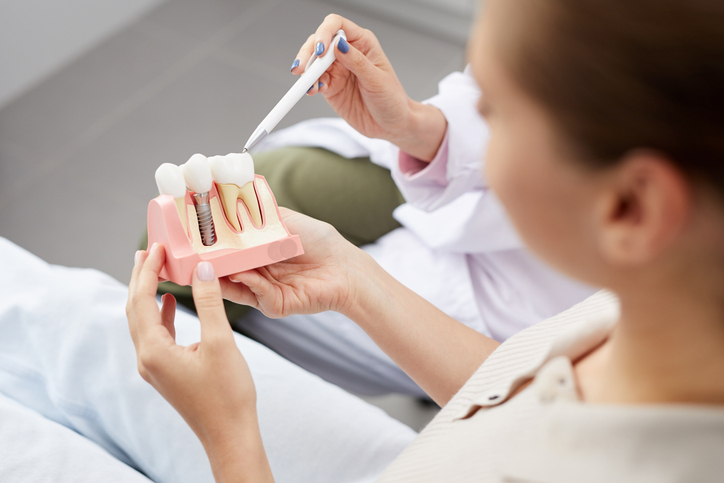
Dental implants are one of the most reliable, long-term ways to replace missing teeth, and the surgical process is often much more comfortable and predictable than many people imagine. If you’re considering implants, understanding each step can help you feel confident, prepared, and in control.
At Periodontal Associates of Memphis, our team of periodontists, Dr. Mitchel S. Godat, Dr. Grant S. King, and Dr. Olga Byakina, performs implant surgery with advanced techniques designed to improve comfort, healing, and long-term success for patients in Memphis, TN and Collierville, TN.
Below is a clear, patient-friendly overview of what typically happens before, during, and after dental implant surgery.
Step 1: Your Dental Implant Consultation and Planning
Before surgery, you’ll have a full evaluation with your periodontist. This step is essential because implant placement is carefully planned around your anatomy, bone levels, and smile goals.
During your consultation, you can expect:
- A review of your medical and dental history
- A comprehensive oral exam and gum health assessment
- 3D imaging (such as a CBCT scan) to evaluate bone volume and nerve or sinus location
- A discussion about implant options, timeline, and costs
- Review of sedation options (if needed)
If you’ve had gum disease, your periodontist will also ensure your gums are healthy and stable before placing implants.
Step 2: Preparing for Your Implant Surgery Appointment
Once your treatment plan is finalized, you’ll receive pre-op instructions, which may include:
- Avoiding certain medications (only if instructed by your doctor)
- Taking any prescribed antibiotics as directed
- Arranging a ride home if you’re having sedation
- Eating a light meal beforehand (unless told otherwise)
If you’re replacing a tooth that has already been removed, you may be ready for implant placement immediately. If not, you might need tooth extraction or bone grafting first.
Step 3: Anesthesia and Comfort Options
A common fear is that implant surgery is painful, but most patients are surprised by how easy it feels.
Dental implant surgery may be performed with:
- Local anesthesia (numbs the area)
- Oral sedation (relaxation pill)
- IV sedation (deeper relaxation, often with limited memory of the procedure)
Your periodontist will help you choose the option that best fits your comfort level and health history.
Step 4: The Dental Implant Placement Procedure
The implant placement itself is typically a straightforward, precise procedure.
Here’s what happens during surgery:
- Numbing and sedation: Your mouth is numbed thoroughly, and sedation is administered if planned.
- Small incision in the gum: The periodontist gently accesses the jawbone.
- Implant placement: A small opening is prepared in the bone, and the implant is placed.
- Stabilization: Depending on your case, a healing cap may be placed, or the gum may be closed over the implant.
- Stitches: The area is closed with sutures that dissolve or are removed later.
How long does dental implant surgery take?
It varies, but placing a single implant often takes about 30 to 60 minutes, and multiple implants may take longer.
Step 5: Recovery After Dental Implant Surgery
Recovery is usually manageable with rest, ice packs, and over-the-counter medication (or prescriptions when necessary).
Normal symptoms after implant surgery include:
- Mild swelling for 2 to 3 days
- Minor bleeding for the first 24 hours
- Tenderness in the surgical area
- Light bruising (some patients)
Most people return to work within 1 to 2 days, depending on how many implants were placed and whether sedation was used.
Recovery tips:
- Use ice packs for the first 24 hours
- Eat soft foods (yogurt, eggs, soups, smoothies)
- Avoid smoking and vaping (these increase implant failure risk)
- Avoid hard, crunchy foods near the surgical site
- Follow brushing and rinsing instructions carefully
Your periodontist may also recommend:
- A medicated rinse
- Prescription antibiotics
- Pain medication as needed
Step 6: Healing and Osseointegration (The Most Important Part)
After the implant is placed, your jawbone needs time to bond with it. This is osseointegration, and it’s what makes implants so strong and long-lasting.
Healing time:
- Most implants integrate in about 3 to 6 months
- Some cases may heal faster, especially with healthy bone and gums
During this phase, you may have:
- A temporary tooth (in certain cases)
- A healing abutment or cover screw
- Periodic follow-ups to monitor progress
If bone grafting was required, the overall timeline may be longer, but it improves your long-term outcome.
Step 7: Abutment and Final Tooth Restoration
Once your implant is fully healed, the next steps are:
- Abutment placement: A small connector is attached to the implant.
- Final restoration: Your general dentist (or restorative provider) places the crown, bridge, or implant-supported denture.
The final result should look and function like a natural tooth, with the added benefit of preserving bone and preventing nearby teeth from shifting.
Will I Need Bone Grafting Before Dental Implant Surgery?
Not everyone needs bone grafting, but it’s common when a tooth has been missing for a long time or if bone loss has occurred due to periodontal disease.
Bone grafting helps:
- Improve implant stability
- Restore jawbone shape and volume
- Support long-term implant success
Your periodontist will determine this during your 3D imaging evaluation.
Does Dental Implant Surgery Hurt?
Most patients report that implant surgery is less uncomfortable than tooth extraction. You’ll be numb during the procedure, and discomfort afterward is usually mild to moderate and improves within a few days.
If you’re anxious, sedation options can make the experience much easier.
How Long Do Dental Implants Last?
With good oral hygiene and regular dental visits, dental implants can last decades, and many last a lifetime. Keeping your gums healthy is one of the most important factors, especially for patients with a history of gum disease.
When to Call Your Periodontist After Implant Surgery
Call your periodontist if you experience:
- Bleeding that doesn’t slow after applying pressure
- Severe pain that worsens after 2 to 3 days
- Fever or chills
- Excessive swelling
- A loose implant or unusual movement
These issues are not common, but it’s always best to check in quickly.
Schedule a Dental Implant Consultation in Memphis or Collierville
If you’re considering implants and want expert care from periodontal specialists, the team at Periodontal Associates of Memphis is here to help. Our periodontists, Dr. Mitchel S. Godat, Dr. Grant S. King, and Dr. Olga Byakina, provide personalized implant treatment for patients throughout Memphis, TN and Collierville, TN.
Ready to take the next step? Contact us to schedule your dental implant consultation.
FAQs About Dental Implant Surgery
How long does dental implant surgery take?
Single implant placement often takes 30 to 60 minutes, while multiple implants take longer depending on complexity.
How soon can I eat after implant surgery?
You can usually eat soft foods the same day after numbness wears off. Avoid chewing directly on the surgical side for a period recommended by your periodontist.
Can I get an implant the same day as a tooth extraction?
In some cases, yes. This is called an immediate implant. Your bone quality and infection status will determine if you’re a candidate.
What should I avoid after dental implant surgery?
Avoid smoking, strenuous activity for 24 to 48 hours, and hard or crunchy foods that could irritate the site.
Who is the best specialist for dental implant surgery?
A periodontist is a gum and bone specialist with advanced training in implant placement, especially in cases involving bone loss or gum disease.